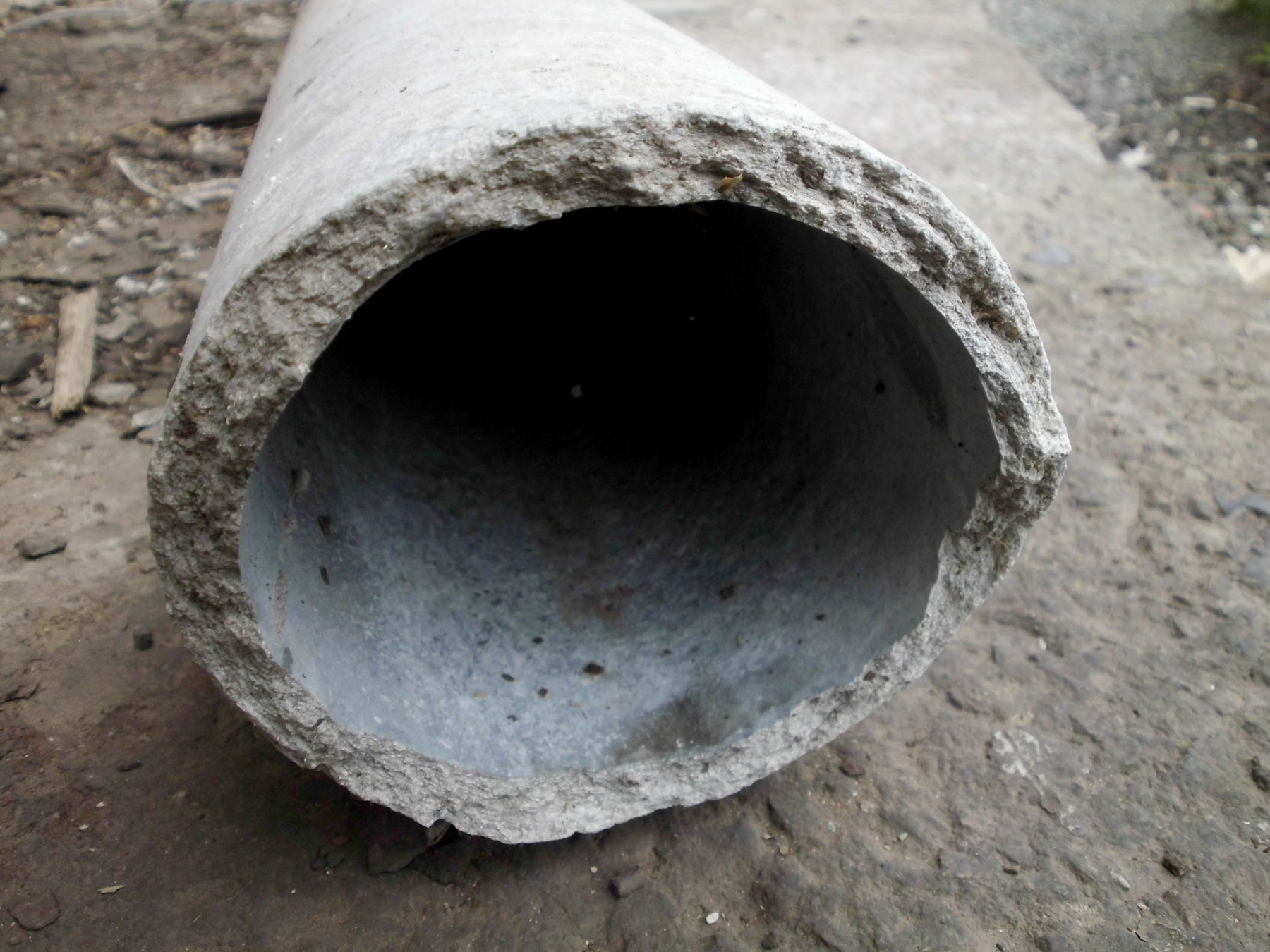
I live in Qualicum Beach, on Vancouver Island in beautiful British Columbia. Qualicum Beach has 26 kilometres of old asbestos cement (AC) water distribution pipes. Like many communities across Canada, I am deeply concerned that our Mayor and Councillors rely on current Health Canada directives and may lack sufficient information regarding the known dangers associated with Asbestos Cement water pipes.
I have been involved in the study of water all my adult life. I take water, and clean drinking water in particular, very seriously.
In my latest book, Water Justice: What You Don’t Know Could Kill You, I document political indifference across parties and connect the decline of Canada’s water quality to the erosion of our democracy. Highlighting contaminated source waters and inadequate protections, the book calls readers to action, emphasizing that safe drinking water requires citizen engagement to overcome government failure and corporate control.
Through the course of my research, I have become aware of a glaring problem with a lack of regulation of asbestos in Canadian water. We are all aware that asbestos is a Group 1 carcinogen when inhaled. Yet in 1989, Canada ruled that there was a lack of consistent, convincing evidence that swallowing asbestos is harmful. In sharp contrast, just three years later, in 1992, the United States Environmental Protection Agency (EPA) would regulate asbestos in water. The reason given for establishing a Maximum Contaminant Level (MCL) at the time was “to protect against cancer.”