Each generation’s sense of normality is shaped by the world they inherit. The danger lies in not realizing what has already been lost.
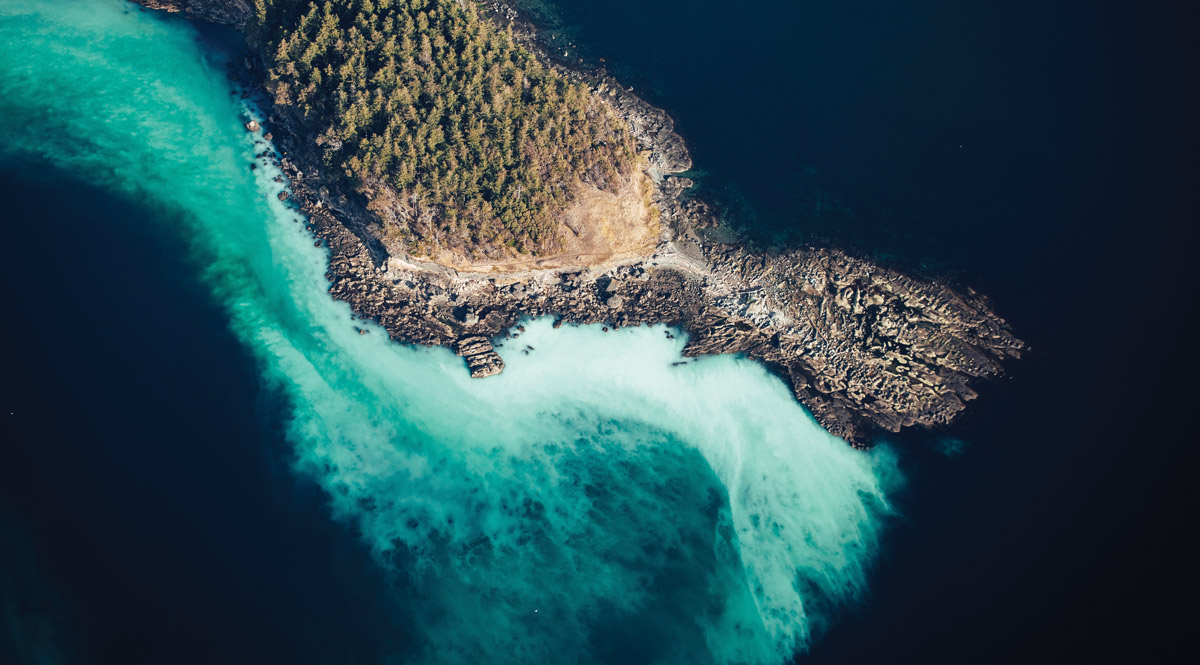
Melanda Schmid-Ochieng, executive director of Conservancy Hornby Island, speaks of herring spawns the way long-time locals remember them: miles of turquoise water, beaches carpeted in eggs, the smell of rotting roe. People stood along the shore in tall gumboots, knee-deep in eggs. Returning decades later to live year-round on Hornby, Schmid-Ochieng was struck by how much had changed. Conversations with older locals and First Nations people show that what many call a “normal” herring season is a diminished version of what once existed.
Fisheries and Oceans Canada has also forgotten what normal is. Assessing herring using mid-20th-century data as a baseline, after decades of commercial fishing had already heavily impacted them, creates a false sense of sustainability. Like many working in the Salish Sea, Schmid-Ochieng believes baselines should go back at least 100 years to a time when herring were abundant, before commercial fishing and colonial interference.
Despite their small size, herring can live up to fifteen years, and unlike salmon, their survival depends both on learning and instinct. While salmon rely on innate environmental cues and smell to navigate migrations, young herring follow older fish, learning routes and behaviours needed to keep their population alive. Much like humans forgetting what a healthy balanced ecosystem is, herring can lose the “memory” of ancestral spawning grounds when older fish disappear, even if habitats stay healthy. Their decline affects shorebirds, migratory birds, salmon, seals, sea lions, whales, and other species that rely on herring to sustain their own breeding and life cycles.
Indigenous people in the area knew the role of herring in the food chain long before Western science recognized it. They used herring for food and medicine in ways that maintained local ecosystems in balance for millennia. The Douglas Treaty guarantees their rights to continue fishing and hunting as they always have.